

What Free Play Versions Can—and Cannot—Offer Casino Users
Introduction
For someone exploring an online casino, free play offers a way to see how a game works before spending money. At Rajbet Casino, as on other platforms that offer it, free play lets users check a game’s rules, controls and pace before deciding whether it suits them.
A practice mode is not the same as playing for money. It can show how a game works, but it cannot recreate the pressure of wagering or predict the outcome of a future session. Its value is in helping users explore, not in forecasting results.
Who can benefit, and how
Newcomers can use free play to learn a game before committing time or money. Casino games vary in their controls, terminology and rounds. A free version lets users see what the buttons do, find the rules and follow a round without worrying that a misunderstanding will cost them.
Experienced users may use free play to compare formats: fast games with longer ones, simple interfaces with feature-rich ones, or solo games with table-style formats. This can help them identify what they enjoy, but it cannot show which game is more likely to produce a particular result.
The value also depends on the game. A title with several stages or optional features may give users a chance to see how they work and how much attention they require. In a simpler game, free play may mainly help them check the interface and pace. Not every game has a free version, and practice modes vary by game and platform.
Free play is a little like watching a team warm up: it can show how things are organised, but not what will happen in competition. It offers a look at a game’s structure, not a reliable rehearsal of how someone will act when money is involved. Treating it as an inspection, not a forecast, keeps expectations realistic.
Key factors
First, free play builds familiarity. Users can read the rules and test the controls at their own pace, making it easier to understand the mechanics. But a practice mode may not explain every feature, so it is still worth checking the rules.
Second, it helps users compare games. A free session can show whether a game’s pace appeals to them before they commit time or money. Some may prefer short rounds and quick decisions; others may find slower formats easier to follow. These are questions of personal preference, and free play can help answer them without a financial commitment.
Third, learning the game does not change its probabilities. Familiarity cannot control random outcomes or make them more predictable. Results in one practice session should not be treated as a pattern that will continue later. Simulated credits are not a measure of money won or lost.
The atmosphere is different, too. Without money at stake, decisions may feel easier and rounds less consequential. That is a limit of practice mode, not a flaw: users can learn the interface with less pressure, but cannot know exactly how they will respond when the stakes change.
Free play is most useful when users set clear boundaries. It can help them decide whether a game is understandable and enjoyable, but it is not a reason to keep playing or proof that a game is favourable. A useful session is one that teaches them about the mechanics or their own preferences—not one that ends with a higher simulated balance.
Scenario: how a session can unfold
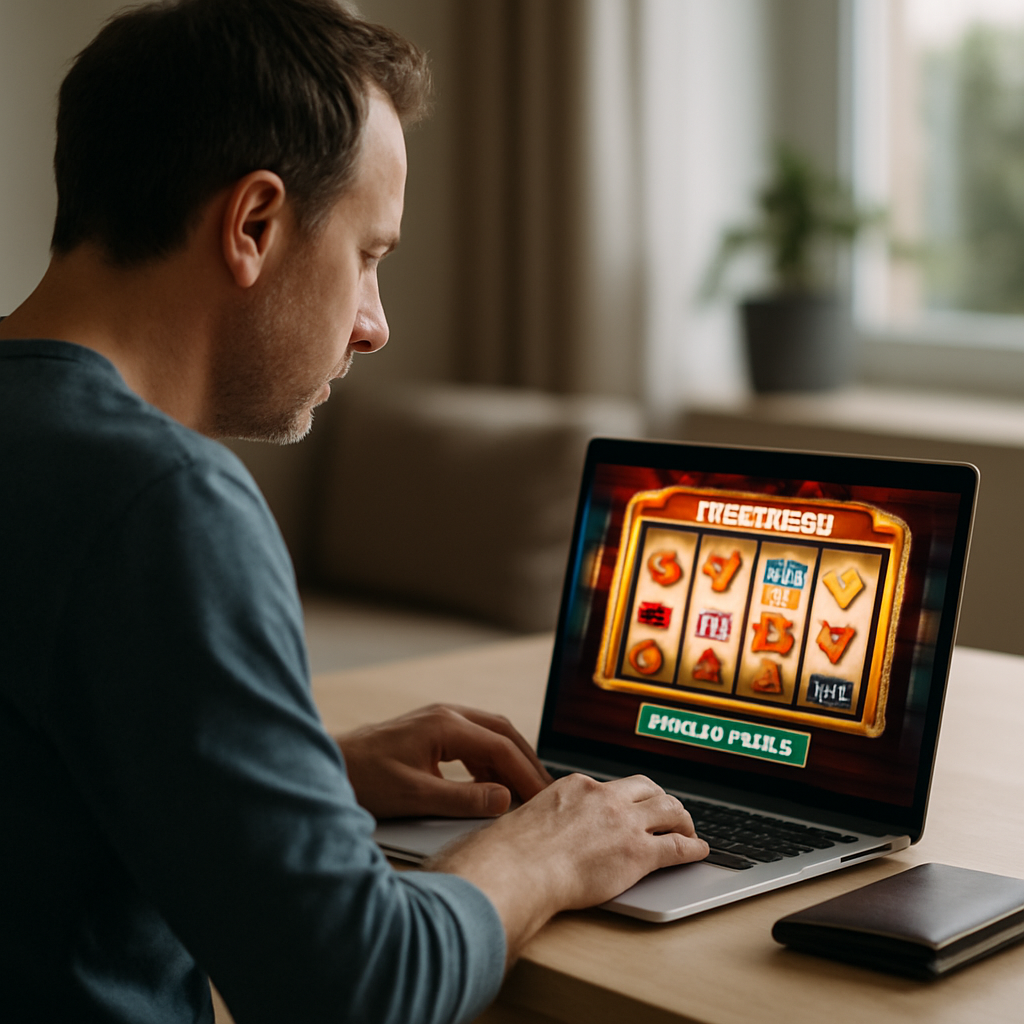
Imagine a user opening an unfamiliar game in free mode. They spend the first few rounds finding the instructions, testing the controls and watching how a standard turn works. The mode is doing its clearest job: replacing guesswork with a basic understanding of the game.
Next, the user tries a feature that changes the pace or adds another choice. They may find it engaging or decide it makes the game harder to follow. Either way, they learn whether the format suits them, though this reveals nothing dependable about the result of a later round.
How the user interprets the final results matters. A run of simulated wins or losses may seem significant, but it is only a sequence from that practice session. Expecting the same pattern in real-money play confuses demonstration with prediction. A more useful takeaway is that the user now knows how the game works, what decisions it involves and whether its pace feels comfortable.
That is the extent of what free play can offer: it can reduce uncertainty about how a game works and whether it suits someone, but not about its outcomes. If the mode is unavailable or works differently from the version the user later encounters, even this comparison may be incomplete.
Conclusion
Free-play versions offer a practical introduction to casino games. They can help users learn the rules, check an interface and compare different styles before deciding whether a game suits them. They are most useful for informed exploration, not as a source of expected rewards.
Practice does not predict results, recreate the pressure of wagering or guarantee that every game is available for free. Free play is a way to explore a game’s mechanics and see whether it fits—not a forecast, a substitute for real-money conditions or a measure of future success.