

Creating Fair Partnerships Between Farmers and Agricultural Businesses
Introduction
In agriculture, farmers bring land, labour and the uncertainty of a growing season. Businesses bring processing capacity, logistics and access to buyers. Farmer partnerships work only when both sides can expect a fair return.
Signing a contract is not enough. Strong farmer partnerships give farmers a dependable route to market and help businesses plan supply, maintain quality and invest for the long term. Weak ones push risk down the chain without giving farmers the information or influence they need to manage it.
Fairness is not a gesture of goodwill. It depends on practical rules: clear obligations, understandable prices, realistic standards and a way to resolve disputes. Sound agribusiness agreements need structure, but neither side should be locked into terms without a chance to negotiate. Fair contracts make these expectations clear from the outset.
Understanding producers and businesses
Farmers often commit land, inputs and time before knowing the final value of their crop. Weather, pests and changing yields can turn a carefully planned season into a financial setback. For smallholder producers, one missed delivery or rejected batch can have consequences beyond a single transaction.
Agricultural businesses face different pressures. They need predictable volumes, consistent quality and reliable delivery dates to keep facilities running and meet customer commitments. Irregular supply can raise sourcing costs, increase inventory or weaken confidence in suppliers.
These interests are not necessarily in conflict. Farmer partnerships that help farmers improve production can secure more reliable supplies. Farmers with dependable market access can plan investments and avoid selling at short notice. Problems arise when one party dictates the terms and the other has few alternatives.
Partnership language can obscure this imbalance. A buyer may provide seed, credit or technical advice, but these services can also tie a farmer to one purchaser. If prices, quality rules or deductions are unclear, support can become a means of control rather than a shared investment. Strong farmer partnerships make those terms visible and open to discussion.
Research on agricultural value-chain relationships shows why agreements between producers and buyers matter beyond the farm gate. The issue is not just whether trade takes place, but how costs, risks and benefits are distributed along the chain. This is central to building durable farmer partnerships.
Key factors
Transparent pricing comes first. Before production begins, farmers should be able to understand how the price is calculated, when they will be paid and what deductions may apply. If the final price depends on a market benchmark, the agreement should specify which one and when it will be measured. Farmer partnerships are stronger when neither side has to guess how payment works.
This does not mean every agreement must guarantee a fixed price regardless of market conditions. It means any changes should follow an agreed rule, not a buyer’s unilateral decision after harvest. A floor price, a defined quality premium or a shared formula can provide protection while allowing prices to respond to the market.
Contracts should also reflect what both sides can reasonably deliver. Businesses should not demand volumes beyond a farm’s capacity, and farmers should understand delivery windows, quality specifications and the consequences of falling short. Technically precise terms are of little use if they are impossible to meet in practice. Fair contracts support farmer partnerships by setting achievable obligations.
Quality disputes need clear procedures. Contracts should specify testing methods, who conducts inspections, how samples are handled and whether farmers can challenge a rejection. Without a review process, the buyer sets the standard and makes the decision, while the farmer bears the loss with little chance to appeal. Farmer partnerships need a fair process that both parties can trust.
Risk should fall to the party best placed to manage it. Farmers can improve cultivation practices, but they cannot control every weather shock or sudden change in demand. Buyers can reduce uncertainty with advance planning, flexible delivery windows and timely updates. Agreements should explain how exceptional events affect volume and payment, keeping farmer partnerships workable when conditions change.
Access to finance and inputs can make an agreement more useful, but the terms must be clear. Credit linked to a purchase contract should specify interest, repayment dates and what happens after a poor harvest. Otherwise, farmers may carry both production risk and debt while buyers retain the option to reject or reduce orders. Clear agribusiness agreements help prevent this imbalance.
Finally, partnerships need a way to resolve disputes and assess performance. Regular meetings, written records and independent mediation can prevent small disagreements from undermining trust. Both sides should review whether agreed volumes were purchased, payments arrived on time and standards were applied consistently. These habits help farmer partnerships improve over time.
A fair deal in practice
Imagine a buyer seeking a reliable supply of a crop from a group of farms. Before planting, the parties agree on expected volumes, a pricing formula, quality tests and payment deadlines. The buyer shares its forecast, while farmers explain their production limits and costs. This kind of planning gives farmer partnerships a practical foundation.
During the season, the buyer provides updates instead of waiting until harvest to announce a change in demand. If bad weather reduces output, the agreement allows the delivery plan to be revised rather than treating every shortfall as a breach. If quality is disputed, documented testing and an independent review give both sides a fair hearing.
At harvest, the buyer pays according to the agreed formula and explains any deductions. Farmers can check the payment against the contract, and the business can confirm that it received the planned volume and quality. Clear rules make performance visible, so neither side has to rely on goodwill alone. They also make farmer partnerships easier to renew.
This arrangement cannot eliminate uncertainty, but it can stop one party from bearing all of it. The buyer gets a more stable supply, and farmers have a clearer basis for deciding whether to renew the agreement. Farmer partnerships are most resilient when both parties can see the value of continuing.
The alternative is familiar: unclear grading, late payment and a price announced only after delivery. Even without a formal dispute, farmers may invest less or find another buyer. The business is then left with a less reliable supply. Short-term leverage can win a transaction while damaging the relationship. Fair contracts help farmer partnerships avoid this outcome.
Conclusion
Fair partnerships are not built by pretending farmers and businesses have equal bargaining power. They depend on agreements that recognise their different positions. Transparent pricing, workable obligations, balanced risk and accessible dispute resolution make fairness practical and measurable. These principles are the basis of successful farmer partnerships.
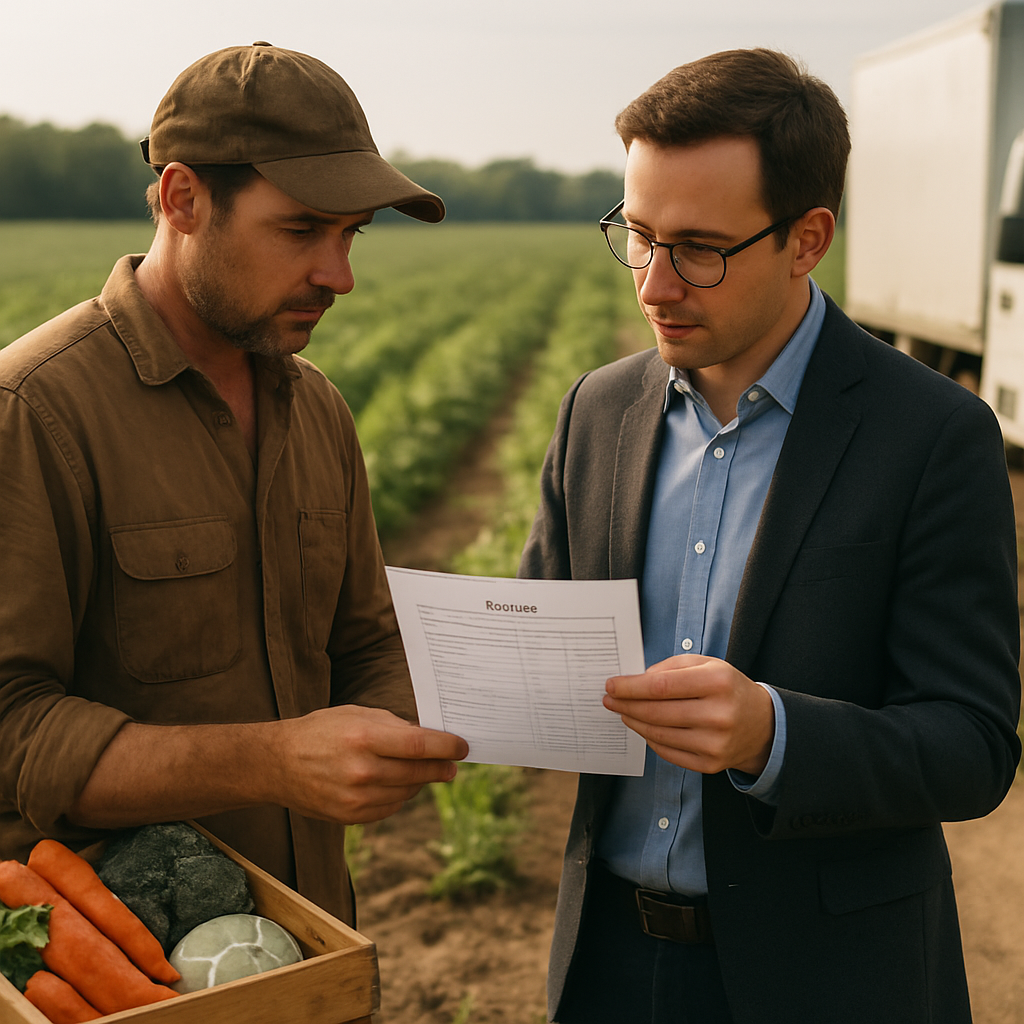
Agreements last when both sides can plan, understand their obligations and challenge decisions that affect their income. Success is not just a crop changing hands; it is both parties having a good reason to return for the next season. With clear agribusiness agreements and fair contracts, farmer partnerships can support lasting value for farmers and businesses alike.