

The Harvest Is Only Half the Game: Cutting Losses to Raise Smallholder Returns
Introduction
A successful harvest does not guarantee a successful season. The crop still has to survive picking, sorting, packing and transport—and remain in good condition while the farmer waits for a buyer. At each stage, value can be lost before the sale.
Post-harvest losses are often treated as an unavoidable cost of farming. But bruised, wilted or spoiled produce does more than reduce the amount available to sell. It can lower the price of the remaining crop, weaken a farmer’s bargaining position and leave less money to invest in the next season.
The challenge is not simply to produce more, but to protect the value of what has already been grown. Reducing post-harvest losses means matching practical handling and storage methods to market schedules and standards. It takes coordination across the supply chain, not just a single piece of equipment.
Farm, market and infrastructure
Smallholders often have little control over what happens to their crops beyond the farm gate. Harvesting may be done by hand, packaging may be limited, and there may be no guaranteed buyer waiting at the field. For perishable crops, even a short delay can limit a farmer’s options.
Assemblers, transporters, traders and retailers also shape how quickly produce moves and how carefully it is handled. But each may work to a different schedule. When storage is scarce or transport is late, farmers seeking a better price may have little choice but to sell quickly.
Infrastructure can determine how much control farmers have over these decisions. Shaded collection points, suitable containers, reliable roads and accessible cooling can help protect produce quality. Appropriate crop storage can also reduce post-harvest losses when facilities are affordable, well maintained and close enough to use. Investment matters, but facilities must meet farmers’ needs.
Farmers and traders do not have inherently opposing interests. Traders need produce they can sell; farmers need reliable access to buyers and clear grading standards. Agreeing on harvest times, collection schedules and quality requirements in advance can reduce waste and disputes.
Key factors
Loss prevention starts at harvest. Picking too early can result in an immature, lower-value crop; picking too late can expose it to weather and pests or cause it to soften. Practical training on maturity and careful harvesting can prevent post-harvest losses at relatively low cost, but it needs to reflect the crop and local conditions.
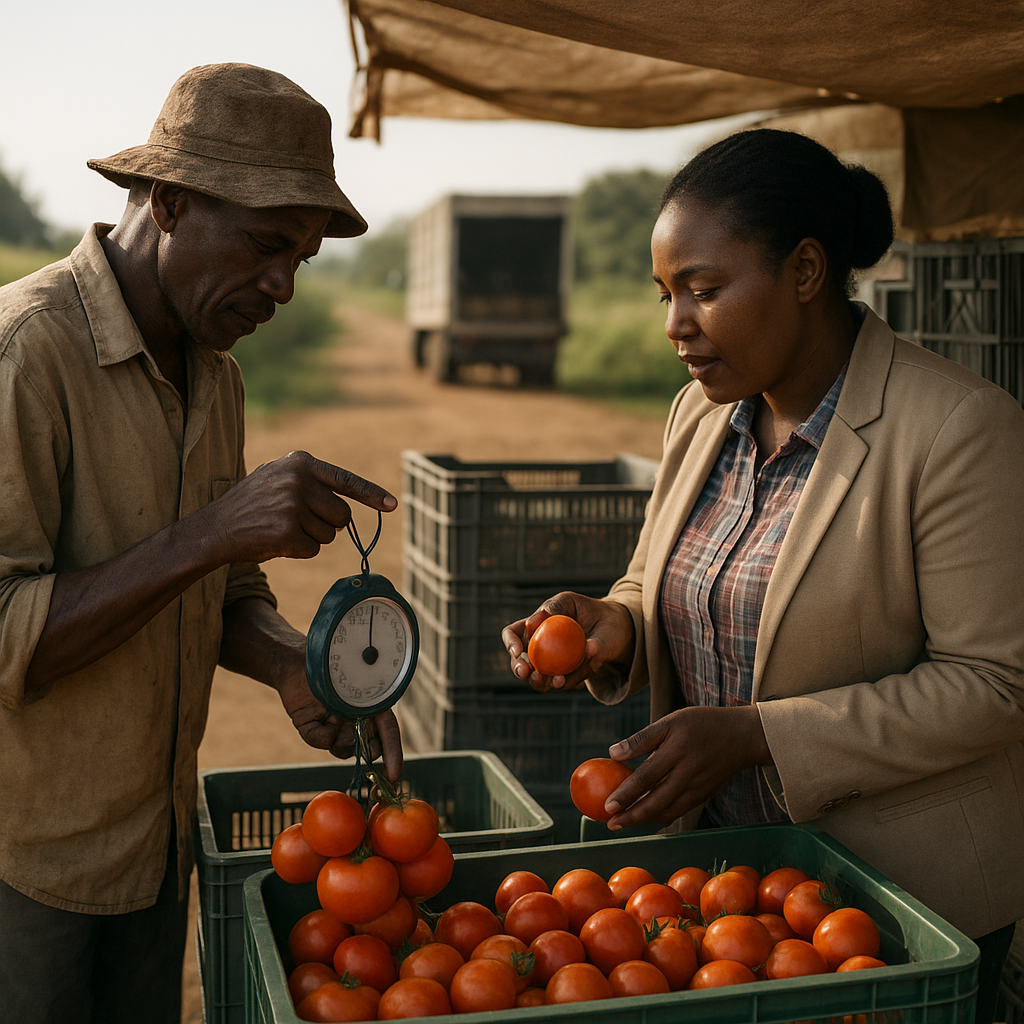
Handling determines what happens next. Poor handling practices—such as dropping produce into deep sacks, overfilling containers or stacking heavy loads on delicate crops—can cause damage that is not immediately visible. Clean, ventilated, reusable crates and basic sorting can reduce bruising and contamination, if the crates are available and transport systems can accommodate them. These steps help prevent post-harvest losses before produce leaves the farm.
Storage is not a one-size-fits-all solution. Crops need different combinations of temperature, humidity and airflow, as well as protection from pests. A crop storage system designed for one product may not work for another. The key question is whether storage can extend a crop’s saleable life and reduce post-harvest losses without adding costs that cancel out the benefit.
Information is another essential part of the system. Knowing what buyers will accept, when collection is scheduled and how grades affect price helps farmers decide when to pick, sort or hold their produce. Extension services can help identify preventable damage and promote safer handling. Practical guidance on post-harvest losses and produce safety is useful because quality depends on everyday decisions as well as major investments.
Success should be measured by net income, not by the amount of produce saved alone. A method that reduces physical losses but requires costly packaging, extra labour or long-distance transport may not increase smallholder profits. Buyers, cooperatives and public agencies need to weigh the value preserved against who pays for the change, including across agricultural markets.
How the chain works in practice
Imagine a harvest arriving at a local collection point on a hot afternoon. In a poorly coordinated chain, produce sits in the sun, goes into unsuitable containers and reaches a trader after its quality has declined. These post-harvest losses mean the farmer may still make a sale, but has less choice about when to sell and less leverage over the price.
In a better-organised chain, farmers coordinate harvesting with a scheduled collection, remove damaged produce early and use containers that limit compression. A shaded, well-managed holding area buys time. Basic market information helps the group decide whether to sell immediately or wait for a confirmed buyer. These steps cannot guarantee a premium, but together they can prevent avoidable post-harvest losses that might otherwise force a discount.
Losses often depend on the handover between actors. When responsibility for loading, transport and grading is clear, there is less room for disputes over who caused the damage. Poor coordination can undo good handling on the farm within hours and contribute to further post-harvest losses.
Conclusion
Reducing post-harvest losses is a market strategy as well as a production strategy. It protects quality, makes supply more reliable and can improve returns without requiring farmers to expand their acreage. The right measures depend on the crop, the route to market and what smallholders can realistically afford.
The most effective approach treats farmers, buyers and local infrastructure as parts of the same system. Better handling, suitable storage and clearer coordination cannot remove every risk, but they can prevent value from being lost between field and sale. For smallholders, that is the difference between a larger harvest on paper and a better return in practice.