

How Farmer Groups Can Advocate for Better Rural Market Infrastructure
Introduction
A farmer can grow a good crop and still lose value before it reaches a buyer. Damaged roads, distant markets and a lack of storage raise transport costs, limit when producers can sell and weaken their bargaining power.
These are not isolated problems. They reflect weaknesses in the systems connecting farms to markets and require decisions about budgets, planning and public responsibility. Farmer group advocacy can make these issues harder to ignore by turning individual losses into a clear case for investment.
Farmers know where the bottlenecks are, while officials control many of the resources and processes needed to address them. The outcome depends on whether groups bring evidence, allies and a realistic plan to the table. Strong farmer group advocacy helps connect that local knowledge with decisions about public priorities.
Analysis of teams and players
Farmer groups have an important advantage: they know how infrastructure works in practice. Members can identify which roads become impassable during the rainy season, where produce waits for transport and what happens when harvests arrive before buyers. This local knowledge makes farmer group advocacy credible when it is gathered systematically.
Fragmentation is a common weakness. Individual complaints can be dismissed as anecdotal, while disagreements between villages can obscure the main argument. Effective farmer group advocacy requires members to agree on the most damaging barriers and show how they affect producers across crops, seasons and locations.
Local and national authorities may divide responsibility across transport, agriculture, trade and finance departments. A request for a new market building can stall if another agency is responsible for the access road. Farmer group advocacy is more effective when groups know who plans, funds, builds and maintains each asset.
Traders, transporters, community organizations and local businesses can strengthen the case. They may face the same bottlenecks, and their testimony can show that better infrastructure benefits more than one producer group. It can ease constraints across the local economy.
Advocacy means organized influence, not simply a louder protest. The broader idea of an advocacy group working to influence public decisions shows why membership, shared aims and sustained engagement matter. Farmer group advocacy depends on these foundations while keeping arguments focused on specific local needs.
Key factors
Start with evidence. Members can record travel times, seasonal disruptions, transport costs, spoilage and distances to existing buying points. Consistent records from several communities can reveal patterns, while interviews and photographs show how those patterns affect daily trade. This evidence gives farmer group advocacy a solid basis for discussion with officials.
Numbers should clarify the problem, not hide uncertainty. Groups should distinguish measured costs from estimates and explain how they collected the information. This helps preserve credibility when officials question the scale of the need and allows members to compare solutions without overstating what a project can achieve.
Next, set priorities. Asking for every road, store and market upgrade at once can make a group seem unfocused. Instead, rank needs by urgency and likely benefit, and link each request to a specific barrier: a passable route to a trading centre, a safe place to store produce or a market site with basic services. Clear priorities make farmer group advocacy easier for decision-makers to assess.
Storage matters where farmers have to sell quickly or crops spoil before buyers arrive. Storage facilities can help, but a building alone is not a solution. Groups should ask who will manage them, how access will be allocated, what maintenance will cost and whether they suit the crops and volumes local producers handle.
Roads need similar scrutiny. Rural roads connect farms to collection points and markets, but construction without maintenance may bring only temporary improvements. Farmer representatives can call for clear standards, regular upkeep and routes chosen for their importance to producers, not just their visibility.
The case for public investment is strongest when it connects infrastructure to practical outcomes. Farmer group advocacy can explain how reliable access may reduce transport barriers, improve the movement of goods and give producers more choice about when and where to sell. Groups should not promise automatic price gains, since prices also depend on supply, demand and buyers’ conduct.
Representation matters too. Leaders need a clear mandate, regular feedback from members and transparent records of meetings and decisions. Including women, young farmers and producers in remote areas can reveal overlooked costs and strengthen the group’s claim to speak for its members.
Alliances and persistence also matter. One meeting rarely changes a budget or construction schedule. Farmer group advocacy can gain traction when groups coordinate with other producer organizations and local stakeholders, follow up on commitments in writing and check whether proposed projects appear in plans, budgets and maintenance schedules.
Match scenario
Imagine a district where farmers report long delays getting produce to market, while officials say funds are limited and communities disagree about which projects matter most. A weak campaign makes a general demand for better roads, leaving decision-makers to define the problem and choose which concerns count.
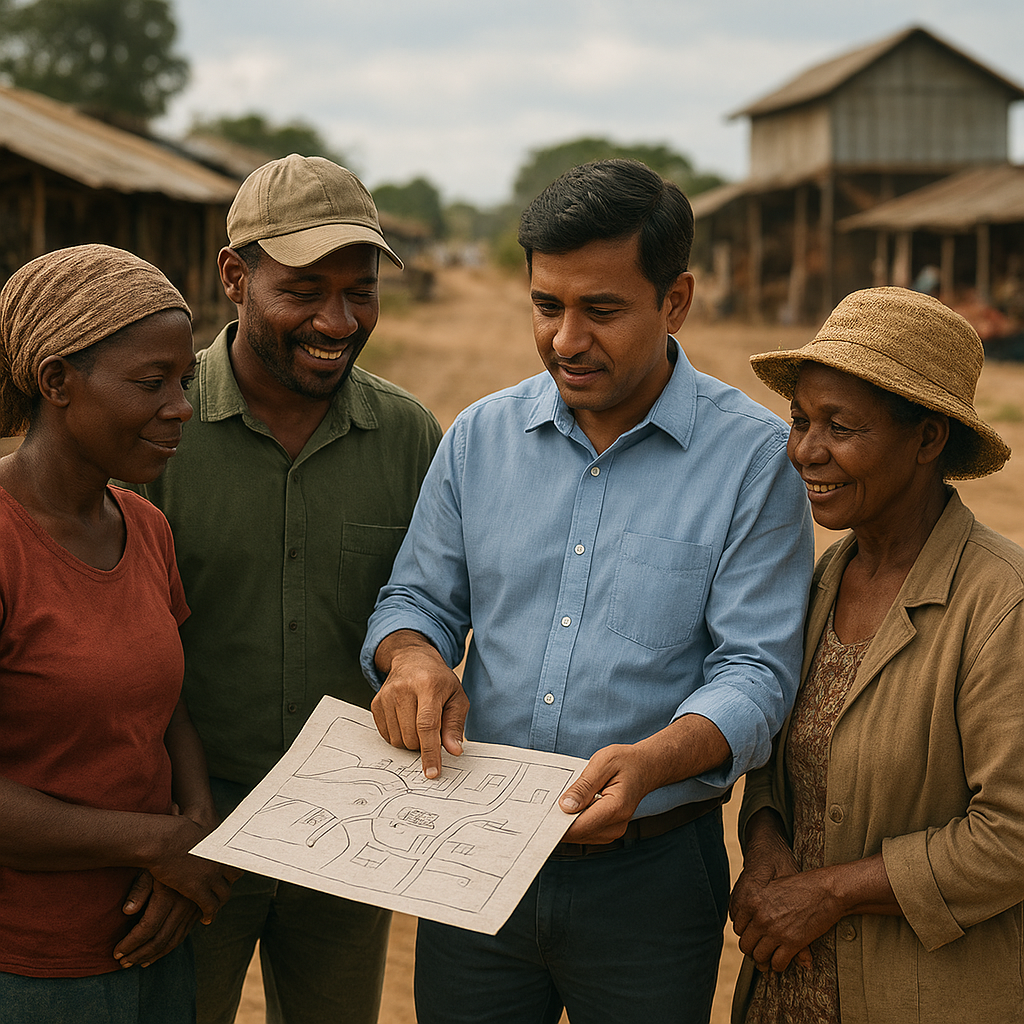
A stronger group presents a map of priority routes, records of seasonal disruptions and a ranking of the places where poor access most affects smallholder trade. It proposes a practical sequence: improve the most critical connections, assess storage needs at collection points and clarify which agency is responsible for maintenance. This focused approach shows farmer group advocacy in practice.
This does not guarantee approval. Budget cycles, competing needs and administrative boundaries still shape the outcome. But specific evidence gives officials something they can assess, cost and compare with other priorities. A shared position also makes it harder to set communities against one another.
Then comes follow-through. The group records what was agreed, checks whether commitments appear in the relevant plan and asks for explanations when timelines change. If the first proposal cannot be funded, members can press for a phased response or a transparent account of how priorities were set.
Conclusion
Better rural market infrastructure rarely follows from need alone. It takes organized representation, credible evidence and a clear understanding of how public decisions are made. Farmer groups make their strongest case when they link everyday losses to practical, prioritized proposals and show who will benefit. Sustained farmer group advocacy can help keep those proposals on the agenda.
The advantage lies not in a dramatic demand but in disciplined teamwork: members agree on priorities, build alliances and hold officials to their commitments. This approach cannot remove every barrier to rural trade, but it can make the case for roads, storage and market access harder to overlook.