

How Do Return-to-Player Percentages Help Players Compare Casino Games on Rajbet?
Introduction
When comparing casino games on Rajbet, players may see one game with a 96 per cent return to player (RTP) and another with 94 per cent. The higher figure may seem like the obvious choice, but it is not a prediction of what any player will win. RTP is a theoretical average calculated over a very large number of wagers, not a forecast for a single session.
A published RTP can help players compare the long-term mathematical return of different games, provided the figures apply to the versions and rules in question. It cannot predict when a win will come, how much it will be, or whether a player will finish ahead.
Game and player analysis
RTP is the proportion of wagered money a game is designed to return over time. A game with a theoretical RTP of 96 per cent has a corresponding house edge of 4 per cent. This is the expected difference between wagers and returns, averaged over a large number of plays.
For example, across many plays, 100 units wagered on a game with a 96 per cent RTP would produce a theoretical return of 96 units. The remaining four units represent the expected difference. This is an aggregate estimate, not a promise that a player will get 96 units back from a 100-unit session. Actual results vary, and returned winnings may be wagered again.
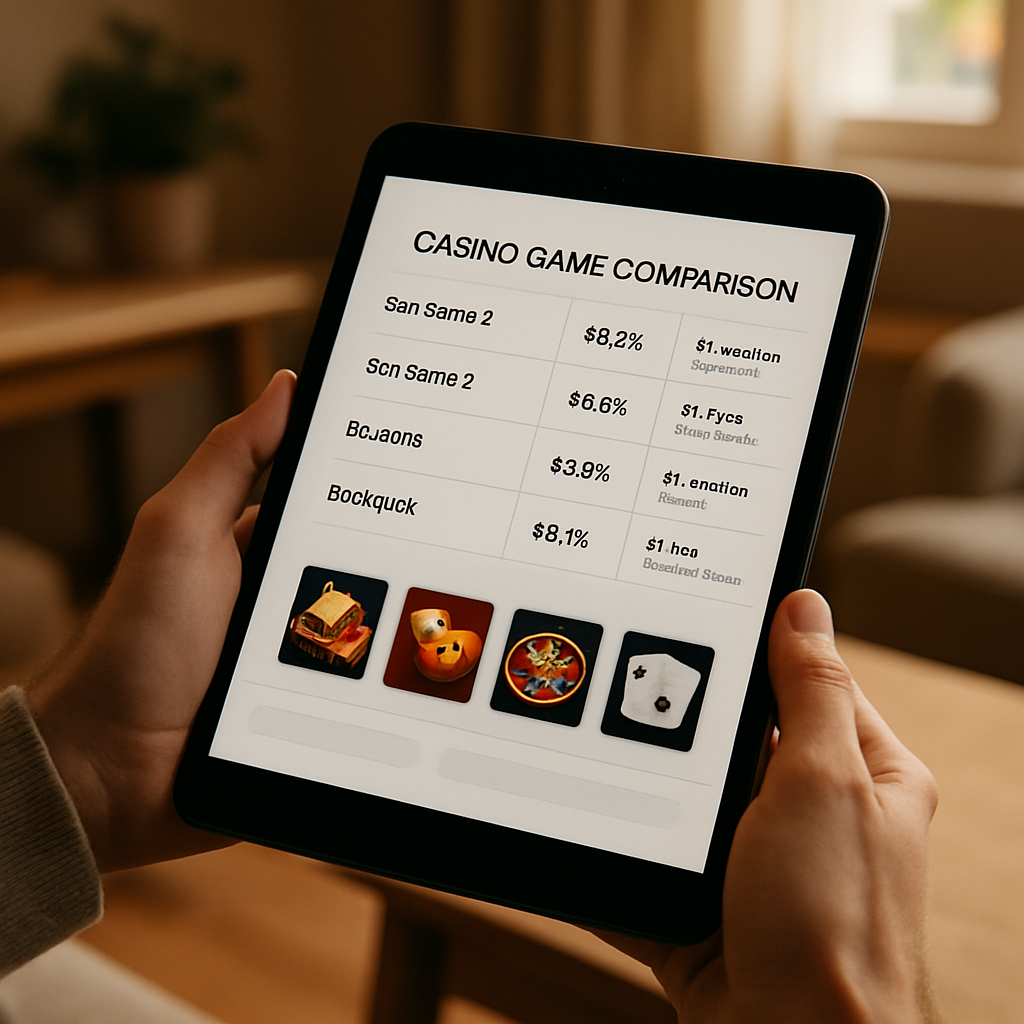
RTP is a useful starting point when comparing similar games. If two slots list RTPs of 96 and 94 per cent, the first has the higher theoretical return under the assumptions used to calculate those figures. But that difference does not reliably predict short-term results. RTP is only one part of the comparison.
Key factors
Volatility is another important factor. Lower-volatility games may offer smaller wins more often, while higher-volatility games can have longer stretches without a substantial return and less frequent, larger payouts. RTP does not capture these differences, so games with the same percentage can feel very different to play.
Hit frequency is related to volatility but measures something different: how often a game produces a result counted as a win, not how much that result is worth. A high hit frequency does not necessarily mean frequent profitable outcomes; many wins may be smaller than the wager. A rare large payout can also contribute to a game’s theoretical return without being likely in any one session.
Rules and game versions matter, too. A table game’s return may depend on its rules and, where relevant, the player’s decisions. Slots can also be offered in different RTP configurations. Check the game information for the percentage and rules that apply to the specific version rather than assuming every version is the same.
It is also worth checking how the published figure is calculated. Some games include features or jackpot contributions in their theoretical return, and the terms used to describe these elements can vary. Compare like-for-like figures, and read them alongside the game information.
RTP does not measure enjoyment, pace or suitability. A higher percentage does not make a game risk-free or show whether its mechanics and swings match a player’s preferences. It is one analytical measure, not a ranking of safe and unsafe choices.
A session scenario
Imagine choosing between two hypothetical slots, both with a published RTP of 96 per cent. One has lower volatility, with relatively frequent modest outcomes; the other has higher volatility, with the possibility of larger but less frequent wins. RTP alone cannot determine which game is preferable: over a short session, their results may differ widely despite the same long-run average.
If the second game instead has a higher RTP, that changes the theoretical comparison but does not show that a player is more likely to win during a particular visit. A short run can fall well below or rise above either game’s stated average. The wager size, number of rounds and outcomes all affect the session result, but they do not change what RTP means.
A careful comparison starts with the information for the specific game, then considers volatility, hit frequency, rules and special features. It also helps to separate expected return from personal risk. Players can set spending and time limits, but RTP cannot control the sequence of outcomes. If gambling is no longer affordable or enjoyable, the percentage is no reason to continue.
Conclusion
RTP gives players a common measure for comparing the theoretical long-term return of casino games. Used carefully, it can show differences in expected mathematical performance between comparable games. The related house edge can make those differences easier to interpret.
RTP cannot forecast a session, account for every difference in volatility or rules, or guarantee a payout. On Rajbet, as on any casino platform, check the figure for the specific game version and treat it as an average over extensive play. Consider it alongside the other factors that shape risk and the playing experience.