

How Farmer Cooperatives Can Build Stronger Partnerships with Buyers and Agricultural Service Providers
Introduction
A cooperative’s bargaining power is often seen as a matter of scale: bring farmers together, pool their produce and negotiate from a stronger position. But volume alone does not make a reliable trading partner. Buyers and service providers also need confidence in the people, processes and commitments behind the group.
For farmer cooperatives in Tanzania, the challenge is to turn shared strength into commercial relationships that members can trust and partners can plan around. This takes more than finding a powerful buyer. It requires clear rules, reliable information and mutual commitments that hold up when prices shift, harvests vary or delivery plans change. Farmer cooperatives in Tanzania can build that confidence by making member priorities and operating practices clear from the outset.
The people involved
A cooperative is a team, not a single actor. Members produce and supply; elected leaders set direction and represent the group; managers coordinate operations, records and communication. When these roles are unclear, buyers may receive conflicting promises, while members may not know who made a decision or why. For farmer cooperatives in Tanzania, defining these responsibilities helps partners know whom to contact and how decisions are made.
Buyers have their own needs. They look for consistent quality, quantities and delivery schedules, as well as clear procedures for grading, payment and resolving disputes. Agricultural service providers—including input suppliers, transport operators, storage providers and technical advisers—need accurate information about demand and confidence that agreed services will be paid for and used responsibly. Farmer cooperatives in Tanzania can support this coordination by sharing forecasts and requirements early.
Relationships work best when each side understands its obligations and the other’s constraints. Members should not face unexplained deductions or standards that change after delivery. Buyers, in turn, need more than informal assurances: they need confidence that the cooperative can meet its commitments. Strong agricultural partnerships rely on specific agreements, not goodwill alone. For farmer cooperatives in Tanzania, clear expectations are a practical foundation for lasting partnerships.
Key factors
Good governance comes first. Members need meaningful oversight of leaders, transparent accounts and a clear way to question decisions. These are not just administrative matters; they help the cooperative negotiate credibly. Cooperative governance is especially important for farmer cooperatives in Tanzania seeking to build trust with members and commercial partners. If members do not understand the price, costs or delivery terms, leaders may struggle to secure supply even after reaching an agreement with a buyer.
Governance also means deciding who can negotiate, approve contracts and communicate changes. Agreements should be explained in language members understand. Before anyone commits, the cooperative should review key terms, including quality requirements, delivery windows, payment schedules, deductions and dispute procedures. Regular updates after the deal closes help members assess whether the partnership delivered what leaders promised. Farmer cooperatives in Tanzania can make this process more accountable by recording decisions and sharing updates with members.
Collective bargaining is most effective when backed by reliable information. Cooperatives need realistic estimates of production, member delivery capacity, operating costs and the quality they can consistently provide. This evidence helps representatives negotiate terms that account for aggregation and handling costs, rather than focusing only on the headline price for a larger shipment. For farmer cooperatives in Tanzania, using accurate records strengthens negotiations while helping buyers plan purchases with confidence.
A strong negotiating position also depends on the cooperative’s ability to deliver. Systems for registering expected volumes, recording receipts, grading produce and tracking payments reduce confusion and create a record of performance. If the cooperative cannot meet a buyer’s requested volume or specifications, early communication is better than a promise that could damage trust. Farmer cooperatives in Tanzania can use these systems to identify delivery risks before they affect buyer relationships.
Buyer relationships also depend on fair risk-sharing. Weather, logistics, market changes and variations in quality can disrupt plans, so contracts should set out how each party will respond. Transparent grading and a documented complaints process can prevent quality disputes from delaying payment or ending future trade. Farmer cooperatives in Tanzania benefit when contracts explain these procedures clearly to both members and buyers.
Service providers should be involved in planning, rather than brought in at the last minute. Input suppliers can coordinate availability and deliveries with members’ needs, while transport and storage providers can align collection schedules with expected harvests. The cooperative can help by consolidating demand, sharing requirements early and checking that services are delivered as agreed. These smallholder services are an important part of the support farmer cooperatives in Tanzania can coordinate for their members.
This coordination matters because the cooperative’s offer to buyers is only as dependable as the supply chain behind it. Late inputs, unreliable transport or technical advice that does not reach members can disrupt production and delivery. Strong smallholder services can help the cooperative meet buyer requirements and protect the value of members’ work. For farmer cooperatives in Tanzania, aligning these services with production plans helps create a more reliable supply chain.
Partners also need a shared way to assess performance. Delivery rates, quality, payment delays, service reliability and member satisfaction provide a fuller picture than volume alone. Reviewing these measures together can show whether problems stem from production planning, contract design, logistics or communication—and give partners a chance to make changes before frustration grows.
A practical example
Consider a cooperative preparing to supply a buyer during the next production cycle. Rather than promise the largest possible volume, it consults members, estimates what they can realistically supply and agrees on achievable standards. Leaders then negotiate a contract that explains how produce will be accepted, assessed and paid for. Service providers receive a timetable and a realistic forecast.
As deliveries begin, the cooperative records each member’s contribution and updates the buyer. If volumes fall short or quality problems arise, both parties follow the agreed process to identify the cause and revise the plan where possible. Service providers are also expected to communicate clearly and offer a remedy if they miss a delivery commitment.
A successful partnership is not about one side getting the better of the other. Members should receive a fair return, buyers should get a dependable supply and service providers should have a workable basis for continuing. If the cooperative hides a shortfall or the buyer changes terms without discussion, trust can quickly erode. Sharing information early can keep a setback from becoming a broken partnership.
Conclusion
For farmer cooperatives in Tanzania, stronger partnerships begin within the cooperative. Accountable leadership, informed members and reliable systems turn collective promises into dependable deliveries. Clear contracts, evidence-based bargaining and coordinated services then give buyers and providers reason to invest in lasting relationships.
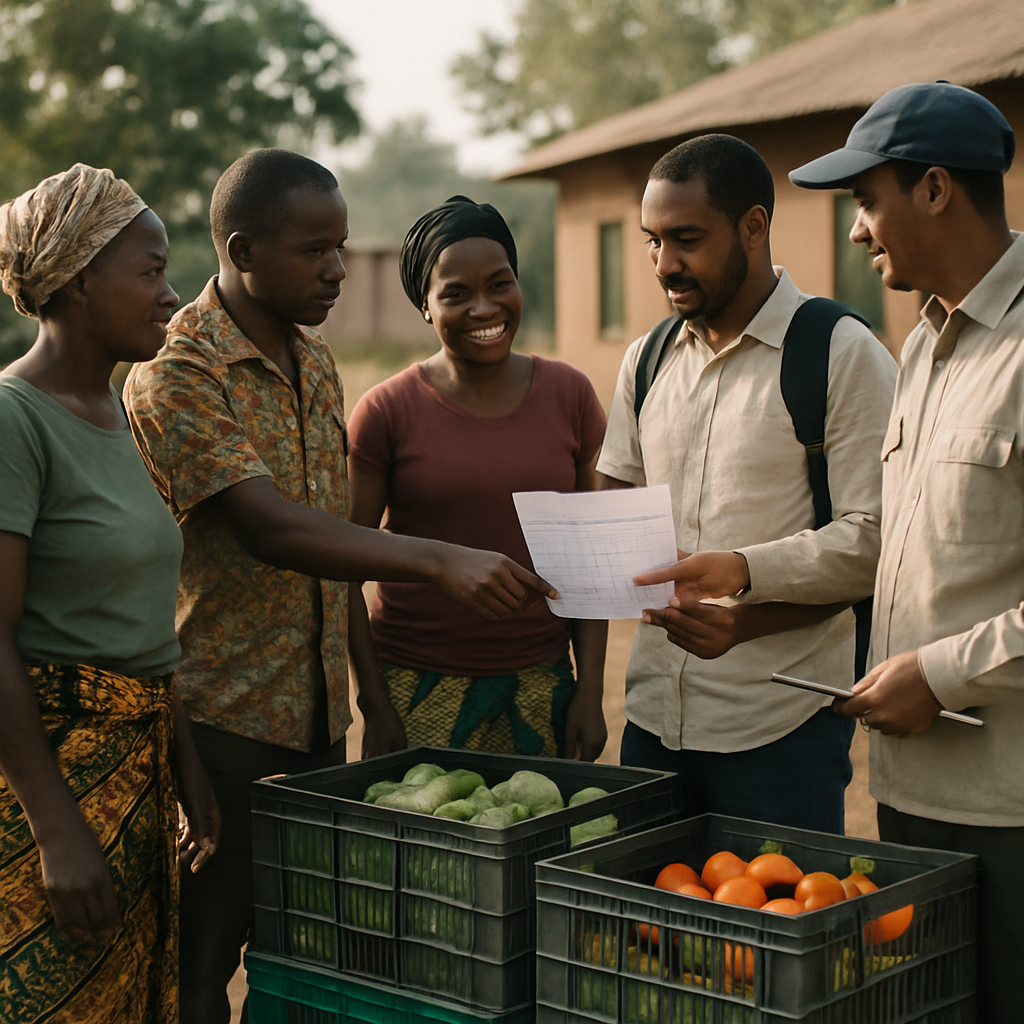
Scale can open a door, but credibility keeps it open. Cooperatives are best placed to build durable buyer relationships when they earn trust through consistent performance, transparent decisions and fair dealing.